Swimming Pool Resurfacing Tips for Tropical Climates
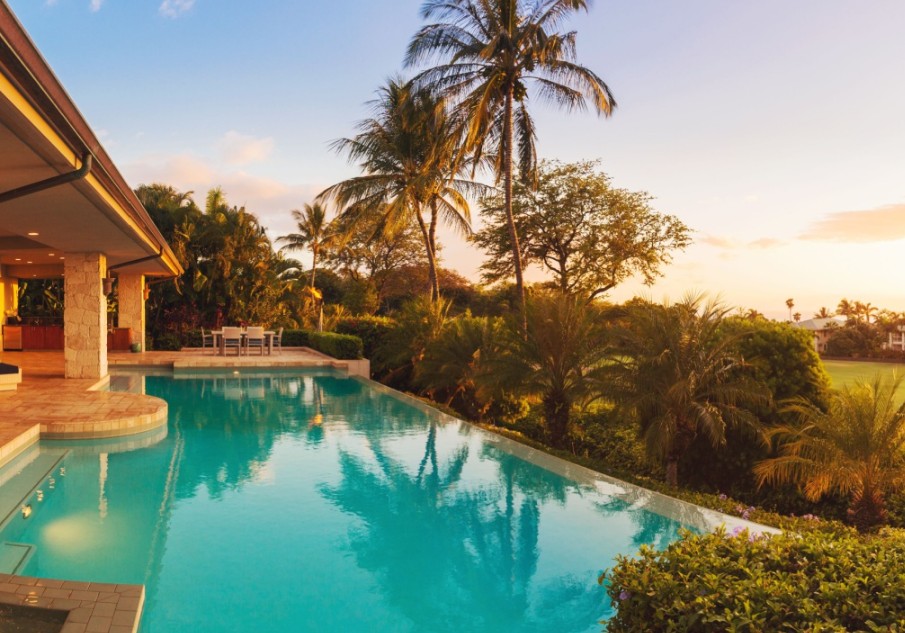
Maintaining a swimming pool in tropical climates comes with unique challenges. High temperatures, constant humidity, heavy rainfall, and strong UV exposure can significantly accelerate surface wear and tear. This is why swimming pool resurfacing becomes not just an aesthetic upgrade but a necessary maintenance step to extend the life of your pool.
In this guide, you’ll learn practical, expert-backed tips on how to properly plan, execute, and maintain pool resurfacing in tropical environments so your pool stays safe, durable, and visually appealing all year round.
Why Swimming Pool Resurfacing Is Important in Tropical Climates
Tropical regions experience weather conditions that are far more aggressive on pool surfaces compared to temperate climates. In places where temperatures often range between 28°C to 34°C year-round, pool materials expand and contract more frequently. This leads to cracks, fading, and surface erosion over time.
Here are the most common issues pools face in tropical environments:
- Constant UV exposure causing discoloration and weakening of finishes
- Heavy rainfall affecting chemical balance and surface integrity
- High humidity promoting algae growth and surface staining
- Frequent use due to warm weather increasing wear and tear
Studies in pool maintenance industries show that pools in tropical climates may require resurfacing 20–30% sooner than those in cooler regions. On average, resurfacing is recommended every 7–10 years, but in tropical areas, it can be as early as 5–7 years depending on maintenance habits.
Tip #1: Choose the Right Resurfacing Material
Selecting the correct material is one of the most important decisions in swimming pool resurfacing. Not all finishes perform equally well under tropical conditions.
Popular options include:
- Plaster Finish
- Affordable but less durable in humid climates
- Lifespan: 5–7 years
- Quartz Aggregate
- More resistant to staining and chemical imbalance
- Lifespan: 10–12 years
- Pebble Finish
- Highly durable and ideal for tropical environments
- Resistant to UV and algae buildup
- Lifespan: 15–20 years
For tropical climates, quartz or pebble finishes are generally recommended due to their ability to withstand constant heat and moisture exposure.
Tip #2: Schedule Resurfacing During Dry Season
Timing matters more than most homeowners realize. In tropical regions, the dry season is the best period for resurfacing work.
Why?
- Less rainfall reduces curing delays
- Better adhesion of resurfacing materials
- Lower risk of water contamination during application
For example, in Southeast Asian countries, the ideal resurfacing window is often between March and June, when rainfall is at its lowest. Proper scheduling can improve surface durability by up to 25% compared to rainy-season installations.
Tip #3: Address Cracks and Damage Early
Small cracks might look harmless, but in tropical climates, they worsen quickly due to thermal expansion and water infiltration. If left untreated, these cracks can lead to structural damage beneath the surface.
Before starting swimming pool resurfacing, always:
- Inspect the entire pool shell carefully
- Repair visible cracks using epoxy or hydraulic cement
- Check for hollow or loose plaster areas
Early repair can reduce resurfacing costs by up to 15–20%, since deeper structural issues are avoided.
Tip #4: Maintain Proper Water Chemistry Before and After Resurfacing
Water chemistry plays a crucial role in the lifespan of a newly resurfaced pool. Improper pH levels can damage even high-quality finishes.
Ideal pool water balance:
- pH level: 7.2 – 7.6
- Alkalinity: 80 – 120 ppm
- Calcium hardness: 200 – 400 ppm
In tropical climates, frequent rainwater dilution can disrupt this balance, so regular testing is essential. For the first 28 days after resurfacing, special care is needed to allow the surface to fully cure.
Tip #5: Use UV-Resistant Sealants and Coatings
The sun in tropical regions is intense year-round, and UV rays are one of the biggest threats to pool surfaces. Applying UV-resistant sealants after swimming pool resurfacing helps protect the finish and preserve color.
Benefits include:
- Reduced fading and discoloration
- Improved resistance to algae growth
- Extended surface lifespan by 3–5 years
This step is often overlooked, but it significantly improves long-term durability.
Tip #6: Regular Cleaning and Preventive Maintenance
Even after resurfacing, maintenance remains essential. Pools in tropical climates are more prone to organic buildup due to heat and humidity.
Best practices include:
- Brushing pool walls weekly
- Skimming debris daily
- Running filtration systems at least 8–12 hours per day
- Shock treating water monthly during peak summer
Consistent maintenance can extend resurfacing intervals by up to 2–3 years, saving long-term costs.
Common Signs You Need Swimming Pool Resurfacing
If you’re unsure whether it’s time to resurface your pool, watch for these warning signs:
- Rough or chalky surface texture
- Visible cracks or peeling plaster
- Stains that cannot be removed
- Increased chemical usage to maintain water balance
- Fading or dull appearance
If two or more of these signs appear, it’s time to consider professional resurfacing.
Final Thoughts
Swimming pool resurfacing is a critical investment, especially in tropical climates where environmental conditions accelerate wear and tear. By choosing the right materials, scheduling properly, maintaining water chemistry, and performing regular upkeep, you can significantly extend your pool’s lifespan and improve its overall appearance.
A well-maintained resurfaced pool not only enhances property value but also ensures a safer and more enjoyable swimming experience year-round.