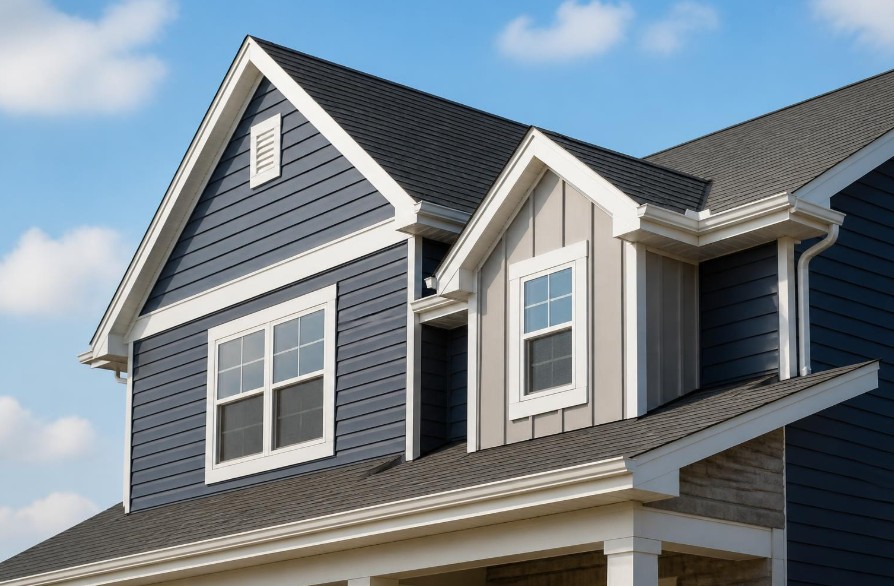
House Siding in Iowa City, IA: Materials, Weather Protection, and Replacement
Your siding does more than improve your home’s appearance. It forms an important part of the exterior building envelope, helping protect walls from rain, snow, wind, moisture, and seasonal temperature changes. In Iowa City, where freezing winters and summer storms put repeated stress on exterior materials, choosing and maintaining the right siding deserves careful attention.
When evaluating house siding in Iowa City, IA, look beyond color and style. The siding material,flashing details, weather-resistant barrier, drainage plane, insulation, and installation quality all affect how well your exterior performs. Understanding these components helps you make a practical decision when repairing or replacing siding.
How Iowa City Weather Affects Exterior Siding
Iowa City’s seasonal weather exposes siding to several sources of stress.Freeze-thaw cycles cause materials to expand and contract, while strong winds and hail create additional risks during severe storms. Repeated moisture exposure also increases the importance of proper drainage behind the siding. Ice dams can also contribute to moisture problems when melting snow backs up along roof edges, while roof runoff from failing gutters can repeatedly saturate exterior walls.
Water should not become trapped between siding and the wall assembly. Properly installed flashing around windows, doors, corners, and roof intersections directs water away from vulnerable areas. A weather-resistant barrier or house wrap and properly designed drainage plane provide another layer of protection behind the exterior cladding. A rainscreen gap can also help create drainage and drying space behind certain siding systems.
Comparing Common Siding Materials
Different siding materials offer different combinations of durability, maintenance requirements, appearance, and cost.
Vinyl Siding
Vinyl siding offers relatively low maintenance and a wide range of colors and profiles. Proper installation requires room for thermal movement so panels do not buckle or distort as temperatures change.
Fiber Cement Siding
Fiber cement provides a durable exterior with a substantial appearance. It requires careful installation, including appropriate clearances, flashing, fastening, and finish treatment around openings. Following manufacturer specifications is particularly important for long-term performance.
Wood Siding
Wood siding provides a traditional appearance but requires more maintenance. Regular inspections help identify peeling paint, soft areas, splitting, insect damage, and moisture problems before they spread into the wall assembly.
Signs Your Siding Needs Repair or Replacement
Not every siding problem requires complete replacement. A professional inspection helps determine whether isolated repairs or broader work makes more sense.
Watch for:
- Cracked, loose, warped, or missing siding
- Staining or discoloration around wall openings
- Soft or deteriorated areas
- Repeated peeling or bubbling paint
- Visible gaps around windows and doors
- Water damage inside rooms near exterior walls
- Damaged flashing or exposed fasteners
- Mold or mildew growth on exterior walls
These signs often indicate that the visible siding problem deserves investigation behind the exterior surface.
What the Siding Replacement Process Involves
Siding replacement typically begins with an assessment of the existing exterior and a decision about whether the old siding should be removed or whether the new material can be installed over the existing surface. A tear-off allows the wall assembly to be inspected more closely and can reveal damaged sheathing or moisture problems that need attention before new siding is installed.
The replacement process may also include inspecting or updating flashing around windows, doors, corners, and other openings so the new cladding integrates properly with the wall’s water- management system. Depending on the existing construction, the work may involve repairs to the sheathing, installation or improvement of house wrap, and preparation of the drainage or rainscreen system.
A typical project sequence includes preparing the work area, removing or preparing the existing siding, inspecting the underlying wall assembly, addressing damaged materials, installing necessary flashing and weather-resistant layers, and installing the new siding. Soffit and fascia should also be evaluated because they interact with the roof edge and exterior drainage system. After installation, the contractor completes trim, penetrations, and other details required by the siding manufacturer.
Siding, Insulation, and Energy Performance
Siding itself is only one part of exterior energy performance. The wall assembly also includes insulation, air sealing, and sheathing. During replacement, examining these components provides an opportunity to address gaps or damaged materials.
Insulation upgrades also deserve consideration when the existing assembly provides limited thermal protection. The R-value of the insulation helps indicate its resistance to heat flow, while effective air sealing can reduce unwanted air movement through the wall assembly.
Choosing House Siding in Iowa City, IA
Choosing siding starts with an assessment of the existing exterior, the home’s construction, its exposure to weather, and your maintenance expectations. Do not select siding based on appearance alone. Ask about flashing, weather-resistant barriers, drainage details, fastening methods, insulation, and manufacturer installation requirements.
For a siding project in Iowa City, a detailed assessment also helps identify moisture damage or underlying wall issues before new materials cover them.Addressing those problems first supports a more durable exterior and reduces the risk of recurring damage. Homeowners dealing with hail or wind damage should also document the condition of the exterior and review their options for handling potential insurance claims.
Soffit and fascia, gutters, roof edges, and wall openings should be considered as part of the overall exterior system rather than evaluated separately. These components can affect how water reaches and leaves the siding.
If your siding shows storm damage, moisture problems, or significant deterioration, schedule an exterior assessment before deciding on replacement. A professional evaluation provides a clearer picture of the repairs required and helps you choose a siding system suited to your Iowa City home. With the right materials and installation details, new siding provides both dependable exterior protection and a finished appearance built for changing seasons.